


Through his podcast and nonprofit advocacy, Mike Bolland shares the journeys and resilience of people living with limb loss.
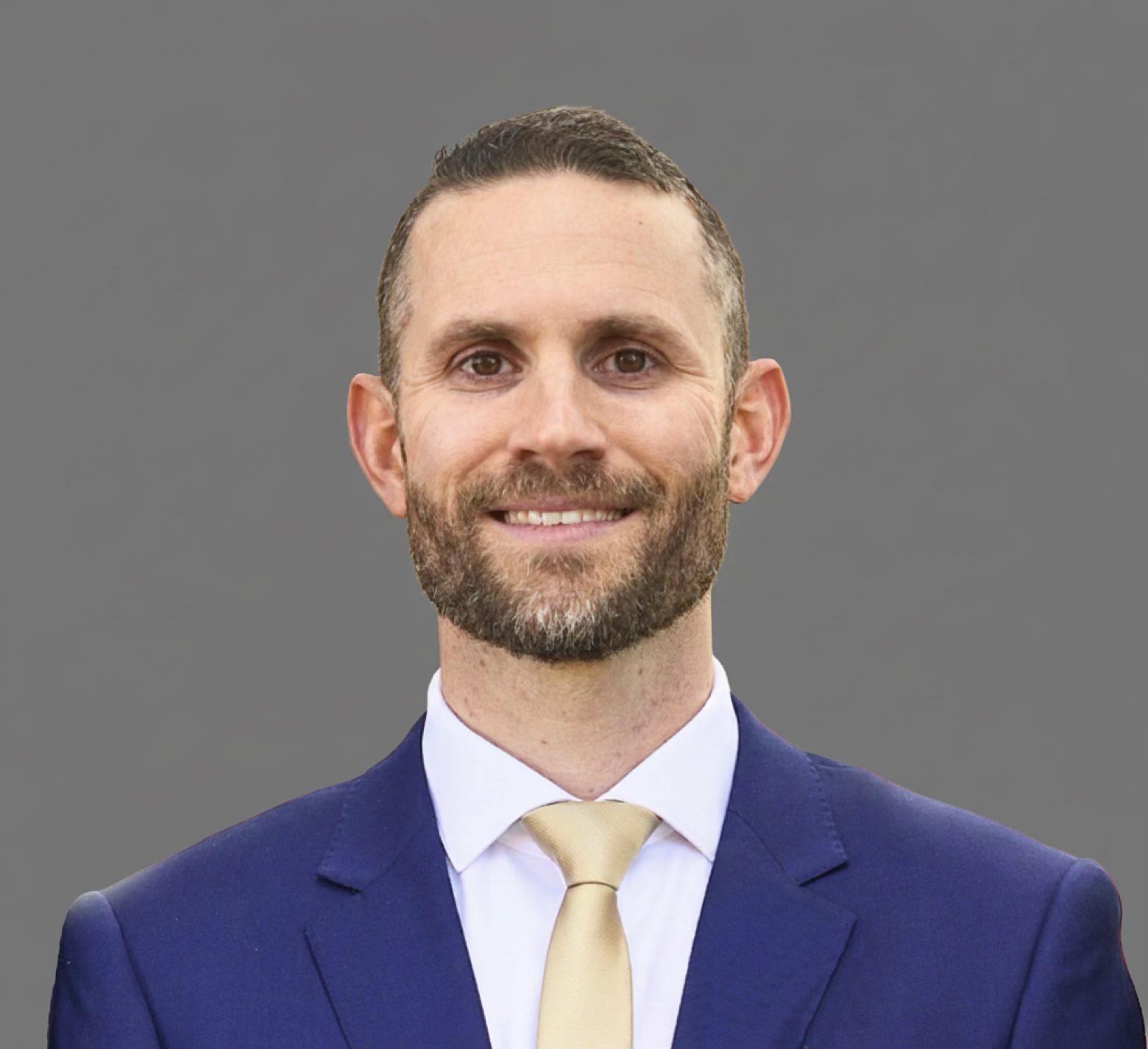
Mike Bolland is a social entrepreneur, marketing leader, nonprofit founder, and host of the We’re Not Stumped Amputee Podcast. Born without a right hand, Mike has turned personal challenges into a lifelong mission: helping others living with limb loss and creating spaces where often-overlooked voices can be heard.
Through his nonprofit, Joe and Marie Bolland’s Helping Hands, and his podcast, Mike shows how empathy and clear, heartfelt storytelling can spark understanding, inspire action, and build genuine human connection. Across decades of work in corporate leadership, advocacy, and media, he demonstrates how listening deeply and sharing experiences with authenticity can educate, motivate, and create lasting impact.
Discovering Purpose Through Experience
From a personal challenge to a mission that empowers thousands, Mike Bolland shows how lived experience can guide impactful communication.
Starry Blue Brilliance: How did your own experience inspire you to start Joe and Marie Bolland’s Helping Hands and the We’re Not Stumped Amputee Podcast?
Mike Bolland: My experience growing up without a right hand shaped my life and my desire to give back. My parents, Joe and Marie Bolland, taught me acceptance, independence, and the value of hard work — lessons that carried me through acting in The Trial of Billy Jack, competing on the Professional Bowlers Association (PBA) Tour as the first person born without a hand to do so, inventing, and performing comedy. I started Joe & Marie Bolland’s Helping Hands to support the limb loss community and continue my parents’ legacy of guidance and encouragement.
With We’re Not Stumped, I wanted to create a platform to share real stories of resilience and determination — stories that motivate people to keep moving forward, no matter the obstacles. My hope is that by sharing these stories, the podcast can help others see that losing a limb, facing a disability, or living with difference doesn’t mean losing hope. It just means finding new ways to thrive.
“My hope is that by sharing these stories, the podcast can help others see that losing a limb, facing a disability, or living with difference doesn’t mean losing hope. It just means finding new ways to thrive.”
Mike Bolland
SBB: What motivated you to create a platform where people living with limb loss and other disabilities could share their experiences?
MB: I started the We’re Not Stumped Podcast because, through my own experiences being interviewed—whether sharing my story on the Pro Bowling Tour or in other settings—I realized that people are often hesitant to ask the real, sometimes difficult questions about limb loss. As the host and someone born without a right hand, I can draw on my own experiences to ask thoughtful questions that others might be reluctant to raise.
By allowing my guests to open up about their own journeys, the podcast creates a space where listeners can gain insight, guidance, and hope. We’re Not Stumped shows that no one has to face these challenges alone, and that resilience, determination, and community support can make all the difference along the way.
Leading through Empathy and Advocacy
As both a leader and communicator, Mike demonstrates how listening deeply, speaking with compassion, and leading by example creates trust and meaningful impact.
SBB: How does your personal story help you communicate with empathy and connect deeply with others?
MB: My personal story allows me to connect with others on a deeply human level because I understand what it’s like to be judged by what people see—and what they don’t see.
I’ll never forget the day that I learned I had cancer. That night, my wife asked if I wanted to get something to eat to take our minds off things. We ended up at a restaurant, sitting in the bar area overlooking the room. As I looked around, something hit me hard.
Usually, when I walk into a crowded place—a restaurant, a game, anywhere—people notice right away that I’m missing a hand. They see what’s different—or what they think is “wrong” with me. But that night, for the first time in my life, what was really wrong with me—cancer—was invisible. No one could see it.
That realization changed me. It made me understand in a new way that we never truly know what someone is going through just by looking at them. What we see on the outside doesn’t reflect what’s happening on the inside.
“We never truly know what someone is going through just by looking at them. What we see on the outside doesn’t reflect what’s happening on the inside.”
Mike Bolland
That experience shaped how I communicate—with empathy, patience, and an awareness of the challenges people face that aren’t visible. Whether I’m hosting a podcast, speaking to a group, or just having a conversation, I try to create a space where people feel safe to share what’s real. Because we all have something going on beneath the surface—and connection begins when we take the time to see beyond the obvious.
SBB: What do you find most important in building genuine connection and trust through your communication?
MB: For me, the most important element in building genuine connection and trust is truly listening. It’s more than just hearing words — it’s paying attention to the feelings, the pauses, and the unspoken experiences behind what someone is saying. When I listen, I try to understand their perspective without judgment, and that understanding naturally builds trust.
My own experiences — living with limb loss and facing challenges like cancer — have taught me how powerful it is when someone feels genuinely heard. People open up when they know they won’t be dismissed or misunderstood, and they can share what’s really going on beneath the surface. By listening with curiosity, I create a space where others feel heard and understood. True connection comes not from talking — it comes from listening, responding thoughtfully, and showing that you truly care about the person in front of you.
“True connection comes not from talking — it comes from listening, responding thoughtfully, and showing that you truly care about the person in front of you.”
Mike Bolland
Shaping Honest, Impactful Conversations
Through We’re Not Stumped, Mike creates a trusted space where personal stories are shared with respect, hope, and insight, showing how communication can illuminate strength and resilience.
SBB: Your podcast features a wide range of guests, from adaptive athletes to healthcare professionals. How do you shape those conversations, so each story shines through authentically?
MB: Bringing out each guest’s story fully requires preparation. I start by doing thorough research on the guest—learning about their background, accomplishments, and the challenges they’ve faced. This isn’t just about being informed; it’s a way to show respect for their experiences and the time they’re sharing with me.
I also like to have a pre-conversation before recording. This casual chat isn’t part of the podcast—it’s a chance to build trust, put the guest at ease, and understand how they feel most comfortable sharing their story. These pre-conversations almost always spark additional questions I can ask during the interview, helping the conversation flow naturally and highlighting insights that might not have come up otherwise. Combining research with that personal connection allows me to guide the conversation thoughtfully, so their voice comes through genuinely and their journey is honored in the way it deserves.
SBB: What guiding principle helps you turn challenging experiences into conversations that inspire understanding and hope?
MB: Early on in podcasting, I realized even the hardest experiences have another side. I focus on what helped guests navigate their toughest moments—a process I call ‘getting to the other side.’ This isn’t about minimizing the struggle; it’s about highlighting the combination of acceptance, goal setting, and working on mental health that allowed them to move forward. Focusing on this guiding principle helps me turn challenging experiences into conversations that inspire understanding, hope, and resilience for listeners.
SBB: How do you encourage guests to open up and share their stories with honesty and depth?
MB: I encourage guests to open up by helping them see the bigger purpose behind sharing their story. I remind them that their experiences aren’t just for the podcast—they have the potential to reach someone out there who may be in a hospital bed, struggling with a new diagnosis, or facing challenges similar to what the guest has overcome. That perspective often helps guests feel the importance of being honest and vulnerable, because their story could provide guidance, hope, or even just a sense of connection to someone who feels alone.
Knowing that someone genuinely cares about their experiences—and that their words could inspire others—helps guests feel more at ease opening up about not only their accomplishments, but also the struggles, fears, and breakthroughs along the way. This approach allows the conversation to go deeper and ensures their story comes through authentically and meaningfully.
Bridging Business and Social Impact
At Discount Tire, Mike combined innovation with human-centered communication to lead digital transformation, an approach he carries into his advocacy work today.
SBB: You’ve led digital innovation in the corporate world and now lead advocacy in the nonprofit space. How do your communication strategies differ, and what lessons carry across both worlds?
MB: Whether in corporate or nonprofit work, communication has the same goal: connecting with people in ways that foster understanding and motivate action. In the corporate world, my focus was often on clarity, efficiency, and aligning messages with business objectives—making sure complex ideas were accessible and persuasive to colleagues, clients, or stakeholders.
In the nonprofit space, particularly in advocacy, the emphasis shifts more toward empathy, storytelling, and building genuine relationships. It’s less about selling an idea and more about inspiring people, creating awareness, and motivating action through personal connection.
The lesson that carries across both worlds is the importance of listening first. Whether I’m driving digital innovation or advocating for a cause, understanding the audience, their needs, and their perspective shapes every message I deliver. Thoughtful preparation, clarity, and authenticity remain essential—whether I’m presenting a business case or sharing stories that give hope and inspire change. The context may differ, but the fundamentals of effective communication—listening, understanding, and connecting—are the same.
SBB: How do you use your marketing and storytelling background to help others see the humanity and resilience behind every story you share?
MB: My background helps me highlight the humanity and resilience by focusing on the elements that make people relatable and inspiring. Marketing taught me the importance of understanding an audience and how the advertising funnel works—especially the top of the funnel: awareness. In advocacy, creating awareness is crucial; people can’t be moved to understanding or action if they don’t first know the story exists.
Storytelling taught me how to share narratives that draw people in, highlight growth, and focus on the journey, not just the outcome. When I share someone’s story, I look for the moments that reveal their perseverance, courage, and authenticity. By framing these experiences thoughtfully, I help listeners or readers connect emotionally, recognize the strength it takes to navigate challenges, and see the resilience we all carry within us.
Moments That Matter
Mike’s impact is measured not only in projects launched, but in lives touched through authentic communication.
SBB: Can you share a moment from your podcast or nonprofit work where communication made a lasting difference for someone?
MB: In a recent episode of We’re Not Stumped, I received feedback from a listener who shared, “You have an amazing channel. I’m a new amputee, LBK. Had my surgery in May 2024, started walking on my own with no aids two months after my surgery. Your show is so inspiring to me. I love the guests you have on.”
Hearing that reminded me why I do what I do. This listener was just beginning their journey and knowing that the conversations on the podcast gave them encouragement and hope is incredibly meaningful. It’s a small reminder that providing a space where people feel safe to share their stories can make a lasting difference.
I feel fortunate to host a platform where people can learn, relate, and find inspiration. I do all of this myself — it’s tough work, but moments like this make it incredibly rewarding.
SBB: What advice would you give to communicators who want to use their platforms to amplify underrepresented voices and create positive social impact?
MB: Passion comes first. Truly care about the work and the people whose stories you share. That commitment helps you persist through challenges.
Next, always be listening. Take the time to understand the experiences of the people whose voices you want to amplify. Approach every story with curiosity, empathy, and respect — don’t assume you know what someone needs or how they want to be represented.
And lastly, create a safe, authentic platform where people feel valued and trusted. Highlight stories in a way that honors the person, not just the issue, and remember that impact comes from connection as much as information.
Through storytelling, listening, and empathy, Mike Bolland builds bridges between communities, broadens perspectives, and inspires action. His work demonstrates how communication rooted in authenticity and purpose can empower individuals, amplify underrepresented voices, and create meaningful social impact.
Whether guiding a nonprofit, hosting a podcast, or sharing his own journey, Mike exemplifies the power of listening deeply, asking thoughtful questions, and using stories to connect, inspire, and lead with heart.



Leave a Reply