

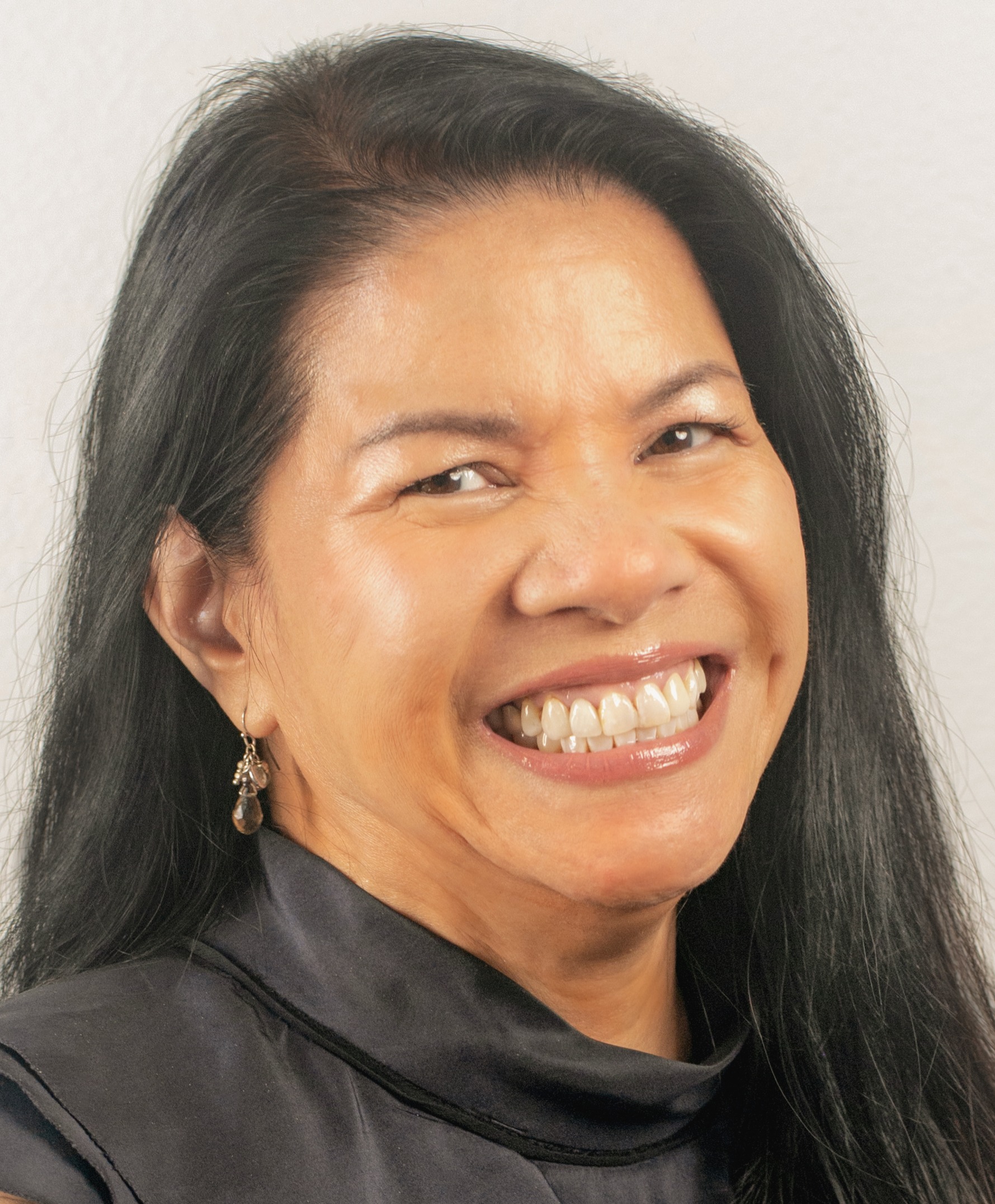
How interactive design, facilitation, and systems thinking reveal where learning, intent, and trust succeed—or quietly break down—in digital communication
Digital events aren’t just isolated moments. They reveal how audiences absorb information, make decisions, and determine what feels credible. Rachel Elnar uses these insights to pinpoint where comprehension, motivation, and trust are strong—and where they silently falter.
In her work, “systems thinking” isn’t an abstract concept. It’s a practical way of seeing communication as interconnected parts. Frameworks, facilitation practices, and structured flows are repeatable because they’re designed as part of a cohesive system. When one element misfires, the impact is felt across the entire experience. Rather than focusing only on execution, she analyzes, designs, and refines the systems that make communication effective.
Rachel applies this systems-driven perspective across digital experiences, education, and community-based work. As Senior Creative Producer at Adobe, she led Adobe Creative Connections, a global digital events program that scaled from 30 participants to more than 4,600 while maintaining 40-45% attendance rates across 370+ events. Through this work, she developed repeatable frameworks that helped teams communicate complex ideas with clarity and consistency at scale.

Earlier in her career, she co-founded TypeEd with her late husband Michael Stinson, building learning communities for designers and creating educational programming centered on interactive design. That work continues to shape how she creates environments that invite participation, deepen understanding, and support ongoing engagement.
Today, through Together by Design, Rachel partners with B2B marketing, event, and creative teams to identify where communication loops break and redesign digital experiences that foster clarity and long-term trust. Across every chapter of her work, one belief remains consistent: communication is something you design, not something you deliver.
We spoke with Rachel about how systems thinking, interactive design, and facilitation shape her approach to communication, and what digital experiences reveal when understanding, engagement, or confidence begin to waver.
Communication as a Designed System
Rather than treating communication as a series of disconnected messages or one-off events, Rachel approaches it as a connected system that guides learning, intent, and trust over time. She looks for patterns across audiences, content, and execution to help ensure every element supports understanding and meaningful outcomes.
Starry Blue Brilliance: You’ve worked across education, community platforms, and enterprise digital programs. How has that range of experience shaped your view of communication?
Rachel Elnar: I’ve worked everywhere from college classrooms to global livestreams, and what I’ve learned is that communication is like running a great restaurant. It’s not just about the food (i.e., your message), but the whole experience—how people are greeted, how the menu flows, and whether they want to come back. Whether I’m teaching, producing, or building systems, I’m always thinking “How do I make this feel like a place people want to linger?” Communication is a system of moments that build trust and keep people coming back for more. If people leave feeling seen, heard, and wanting more, I know I’ve done my job.
“Communication is a system of moments that build trust and keep people coming back for more. If people leave feeling seen, heard, and wanting more, I know I’ve done my job.”
Rachel Elnar
Where Digital Communication Breaks Down
Even well-resourced teams can struggle to see where communication falters. Rachel uses digital events as a window into audience behavior, identifying moments of confusion, disengagement, or uncertainty that often go unnoticed, but are critical to address.
SBB: When you analyze digital events, what audience behaviors signal that communication isn’t working?
RE: If the chat goes quiet, people start multitasking, or attendance drops, that’s your “check engine” light. I watch for when people stop asking questions or repeat the same confusion—like a customer returning their order because it’s not what they expected.
The business risk most teams miss is that they’re celebrating high registration numbers while their chat shows the same confused questions on repeat. You can have a packed house and still lose the room, and if people don’t understand your message, there’s no ROI. You’ve invested in production, speakers, promotion, but if the communication doesn’t land, none of that matters. The event didn’t fail; the system did.
Interactive Design as a Communication Tool
For Rachel, interactive design isn’t just about aesthetics. It’s a way to structure communication so people can navigate complexity and participate meaningfully. Thoughtful design helps to ensure content is intuitive, actionable, and engaging.
SBB: What has interactive design taught you about communication that traditional approaches miss?
RE: Interactive design taught me that people want to be part of the story, not just watch it. Traditional communications are like a lecture; interactive design is more like a group jam session. When you design ways to participate—polls, chat, challenges—they lean in, not just tune in. The magic happens when the audience feels like co-creators, not just spectators. If you want people to remember, let them play.
“Traditional communications are like a lecture; interactive design is more like a group jam session. When you design ways to participate—polls, chat, challenges—they lean in, not just tune in.”
Rachel Elnar
Designing for Understanding, Not Just Metrics
Metrics like attendance, clicks, or views are easy to track, but they rarely reveal whether audiences truly understood or trusted the content. Rachel designs experiences that foster real understanding and trust, while giving teams insight into what’s genuinely working.
SBB: How do you assess whether communication was effective beyond surface metrics?
RE: I care less about how many people showed up and more about what they did next. Did they stay until the end? Watch the replay? Show up to the next one, especially with their friends or colleagues? That’s when I know something worked.
Repeat participation is my gold standard, and it’s also smart business. When people come back and bring others, your community grows organically and does your marketing for you. Otherwise, you’re burning budget on ads and promotions for every single event. Real understanding creates word of mouth. Real trust creates momentum. If someone references a story from your event weeks later or the chat is full of “aha!” moments, you’re building both engagement and ROI.
“Repeat participation is my gold standard, and it’s also smart business. Real understanding creates word of mouth; real trust creates momentum.”
Rachel Elnar
Maintaining Clarity and Human Connection Across Teams
Producing large-scale digital programs introduces complexity with more people, stakeholders, and logistics. Rachel designs systems that preserve clarity, connection, and flow across multiple teams, geographies, and product lines.
SBB: How do you maintain clarity and human connection as digital experiences scale?
RE: Scaling is all about systems, but never at the expense of the human touch. At Adobe, I used my STREAM framework—looking at Strategy & Service, Topics & Talent, Run of Show, Execution & Experience, Analytics & Adjustment, and Moments & Momentum as interconnected parts of one system. When all six areas work together as a flywheel, you create momentum that compounds over time.
Even with thousands of attendees, I made sure there was always a real person welcoming you at the “door.” The framework handled the repeatable structure; what needed to happen when, who owned what, how we measured success, so we could focus energy on the human moments. The rituals, the inside jokes, the moments of delight that make big events feel personal. Systems don’t replace hospitality; they protect it.
Today at Together by Design, I help teams build these kinds of systems so that their events don’t just run smoothly, they feel like places people actually want to be.
“Systems don’t replace hospitality; they protect it. Even with thousands of attendees, I made sure there was always a real person welcoming you at the door.”
Rachel Elnar
Facilitation as a Core Communication Practice
A well-designed experience sets the stage, but facilitation determines engagement. Rachel guides audience attention, encourages participation, and creates an environment where people feel comfortable engaging – turning digital experiences into meaningful interactions.
SBB: What role does facilitation play in meaningful engagement?
RE: Facilitation is the difference between a party and a PowerPoint. A good facilitator reads the room, invites people in, and makes it safe to participate, even if you’re in your pajamas at home. I use icebreakers, live polls, and real-time shoutouts to turn passive viewers into active guests. My goal is to make everyone feel seen, heard, and part of the action. If people are laughing, sharing, and riffing off each other, you know you’ve got it right.
Teaching and Designing for Understanding
Years spent teaching interactive design and digital media shaped Rachel’s thinking about understanding. For her, it isn’t about simplifying ideas—it’s about designing experiences that support clarity, action, and continued learning. This mindset guides her work across events, communities, and enterprise programs.
SBB: How has teaching shaped your approach to professional communication?
RE: Teaching showed me that clarity beats cleverness every time. I learned to break down complex ideas, check for understanding, and create space for questions because if one person is confused, ten others probably are too. I bring that same mindset to every event: scaffold the learning, invite feedback, and never assume the “aha” moment happened just because I said it. The best sessions feel like a great collaborative workshop, not a lecture.
Designing for Ongoing Engagement and Trust
Short-term engagement is easy to measure; long-term trust requires thoughtful strategy. Rachel creates systems that encourage repeated participation, reinforce understanding, and build credibility over time. These approaches transform isolated events into enduring relationships.
SBB: How does designing for long-term trust and repeated participation change your approach?
RE: Long-term trust is built in the follow-up and the consistency, not just the single event. I design experiences as part of a bigger journey or curriculum, which means creating rituals, follow-up content, and community spaces where people can keep learning and connecting.
If people come back, bring friends, and start to see your events as “their place,” you’ve done your job. And here’s the payoff: organic growth. When trust is real, your community markets for you. People share replays, tag colleagues, and show up ready to participate because they know what to expect, and they want to be part of it.
At my company, Together by Design, this is the foundation of everything we build: communication systems that turn one-time attendees into long-term community members. Trust isn’t built in a single event—it’s earned over time, one great experience at a time. But when you get it right, the ROI compounds.
“Trust isn’t built in a single event—it’s earned over time, one great experience at a time.”
Rachel Elnar
Rachel Elnar’s work invites a different way of thinking about communication—not as a sequence of messages, but as an interconnected system that can be observed, designed, and improved. By combining interactive design, facilitation, education, and systems thinking, she shows how digital experiences reveal patterns, clarify understanding, and foster trust that extends well beyond a single interaction.
In a world saturated with content, Rachel’s work is a reminder that the most effective communication is designed with intention, shaped by behavior, and built on human connection. When treated as a system, digital experiences become more than events – they become opportunities to teach, engage, and inspire.




Leave a Reply