

What ELO’s futuristic 1986 hit reveals about the difference between reaching someone and truly connecting
Long before smartphones made it possible to reach almost anyone with a tap, Electric Light Orchestra (ELO) imagined technology bridging enormous distances in an instant.
Released in 1986, “Calling America” captures the frustration of trying to reach someone across the miles, with satellites overhead and a telephone connecting one person to another, yet the person on the other end remains out of reach.
Written and produced by Jeff Lynne and released as the first single from ELO’s Balance of Power, the song reached No. 18 on the Billboard Hot 100. Its references to satellites and automatic redialing gave it a distinctly futuristic quality for its time.
Nearly four decades later, that technology has become part of everyday life. We carry devices capable of connecting us across continents in seconds, while digital platforms and artificial intelligence have expanded the ways organizations communicate with their audiences.
What hasn’t changed is the human problem at the center of the song.
The narrator has the technology to make the call, yet he still can’t get his message through. That distinction provides an important lesson in communication: reaching someone is only the beginning of creating meaning.
When Reaching Someone Isn’t Enough
The lyrics establish the problem with a phrase that still sounds remarkably current: “Talk is cheap on satellite.” The narrator has access to sophisticated technology, yet all he receives is “static.” He has a number to call and keeps trying, but what he really wants is a response.
That gap between delivery and response has become increasingly relevant as communication has become easier to distribute. A message can arrive precisely at the right moment, reach its intended audience, and still leave its recipient wondering what it means.
The message has arrived, but the communication is not necessarily complete.
That’s what makes “Calling America” more than a nostalgic look at the technology of 1986. The technology provides the setting, while the more enduring story unfolds in the space between the words being sent and the meaning another person takes from them.
For communicators, that space is where the real work begins.
Information Isn’t Understanding
Another small detail in the song opens the door to a much larger idea: “She left a number for me.”
The information he needs appears to be available, yet the number doesn’t explain why she isn’t answering, what is happening on the other end of the line, or what he should make of the silence.
Organizations face a similar challenge when information becomes a substitute for understanding.
We’ve become increasingly adept at measuring whether people encountered a message through email opens, video views, clicks, attendance, and other forms of engagement. Those measurements can tell us something was seen, but they reveal considerably less about what people understood, believed, or remembered.
The distinction becomes particularly significant during organizational change, when an announcement rarely exists in isolation. People interpret what they hear through their previous experiences, what they already know, and what they expect might happen next. A message can accurately explain a decision while leaving its audience uncertain about its significance.
That gap reveals something fundamental: meaning isn’t delivered fully formed; it develops through the interaction between what we say and what another person brings to the conversation.
For communicators, that means considering the questions, assumptions, and experiences an audience may bring to the message rather than focusing solely on whether the information has been delivered.
See the Message From the Other Side
“Calling America” is ultimately a human story because the narrator isn’t trying to complete a communication objective. He’s trying to reach someone who matters to him, and the distance between them is what gives the song its emotional weight.
That perspective can easily disappear in organizational communication, where channels, deadlines and metrics can make the mechanics of delivery feel like the work itself.
Behind every inbox, screen, and audience metric is a person. For communicators, remembering that can change the way we approach the message—not just what we want to say, but how we want the experience of receiving it to feel.
Empathy offers a way to make that shift. It means stepping outside the perspective of the person creating the message long enough to imagine encountering it for the first time, without the background, knowledge, or assumptions that shaped its creation.
The message may begin with what we need to communicate, but its impact depends on what the experience gives the other person. That perspective can influence the language we choose, the details we include, and the way we deliver the message in the first place.
Let the Technology Serve the Communication
The futuristic technology in “Calling America” also offers a useful reminder about the tools available to communicators today.
Our options now seem almost limitless. We can send an email, record a video, host a town hall, publish an update, create an interactive experience, or use artificial intelligence to help develop content. Having more channels, though, doesn’t necessarily make communication more thoughtful or effective.
A complex decision may need more context than a brief announcement can provide, while a difficult change may require space for questions and dialogue. The channel isn’t simply where communication happens; it helps shape how the message is experienced and understood.
That also makes it worth resisting the instinct to respond to confusion with more content. Another email or another announcement may increase exposure without improving understanding.
Before adding to the noise, communicators can pause and consider what is actually missing: more information, greater context, an opportunity for dialogue, or perhaps a different way of framing the message.
Sometimes the most thoughtful communication decision is knowing what the audience needs next—and what it doesn’t.
From Calling to Connecting
Perhaps the most enduring lesson in “Calling America” has little to do with the technology that inspired it. The song reminds us that no matter how far our tools can reach, meaning still depends on what happens when our words encounter another person’s world.
For communicators, that creates a different way to think about the work. We shape the message, choose the words, and decide how it will travel, yet once it reaches another person, it becomes part of their experience. What we intended to say may set the direction, but we can’t fully determine where the message will take them.
The tools we use will continue to evolve, making distance less relevant to how quickly we can reach one another. As that distance disappears, the responsibility to think beyond the moment of delivery becomes even more important.
The real measure of communication isn’t how far our words can travel. It’s how deeply they can be understood when they arrive.
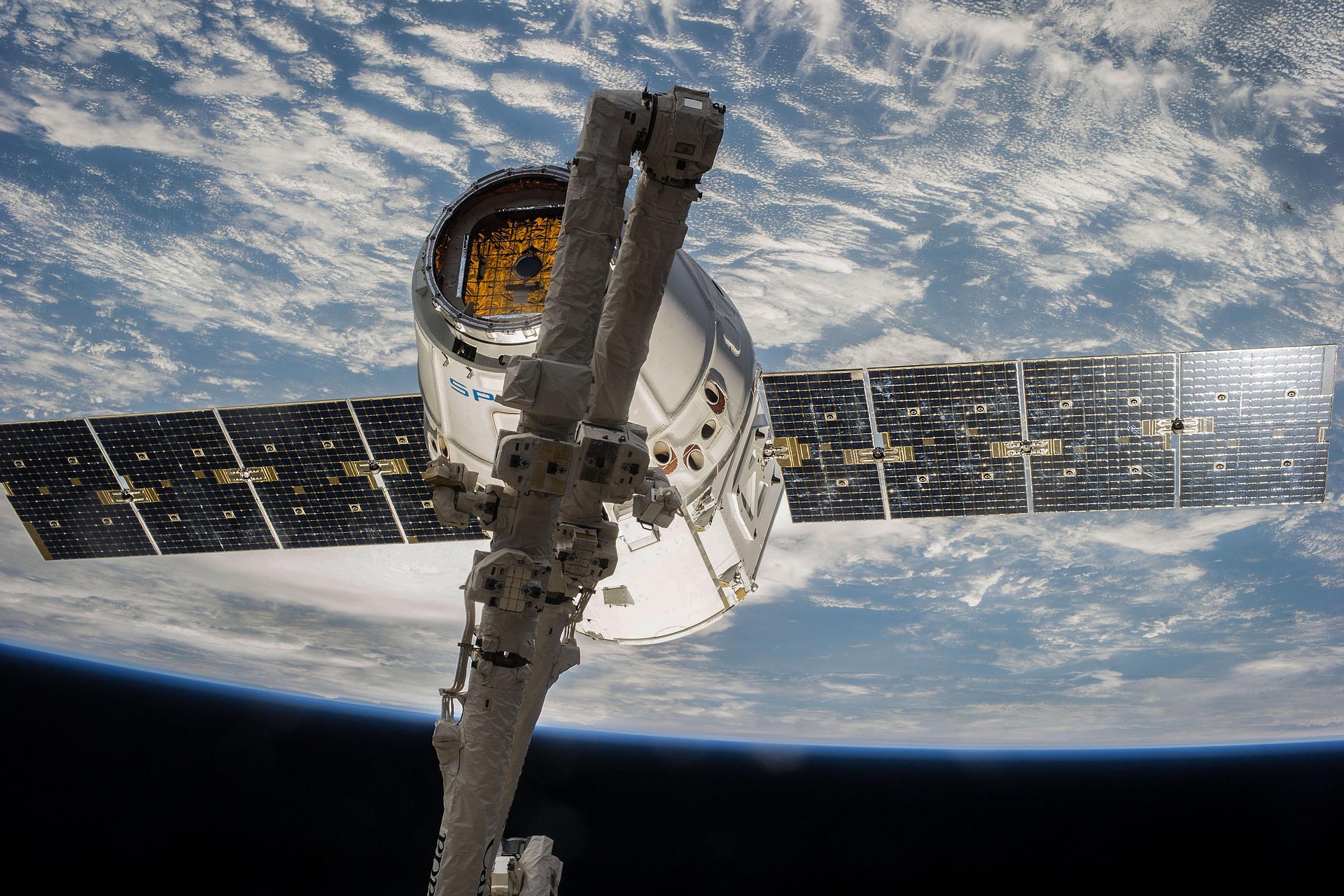
Image: SpaceX-Imagery/Pixabay


Leave a Reply